Evaluating Your Switchboard's Capacity
Evaluating Your Switchboard’s Capacity for EV Charger Installation
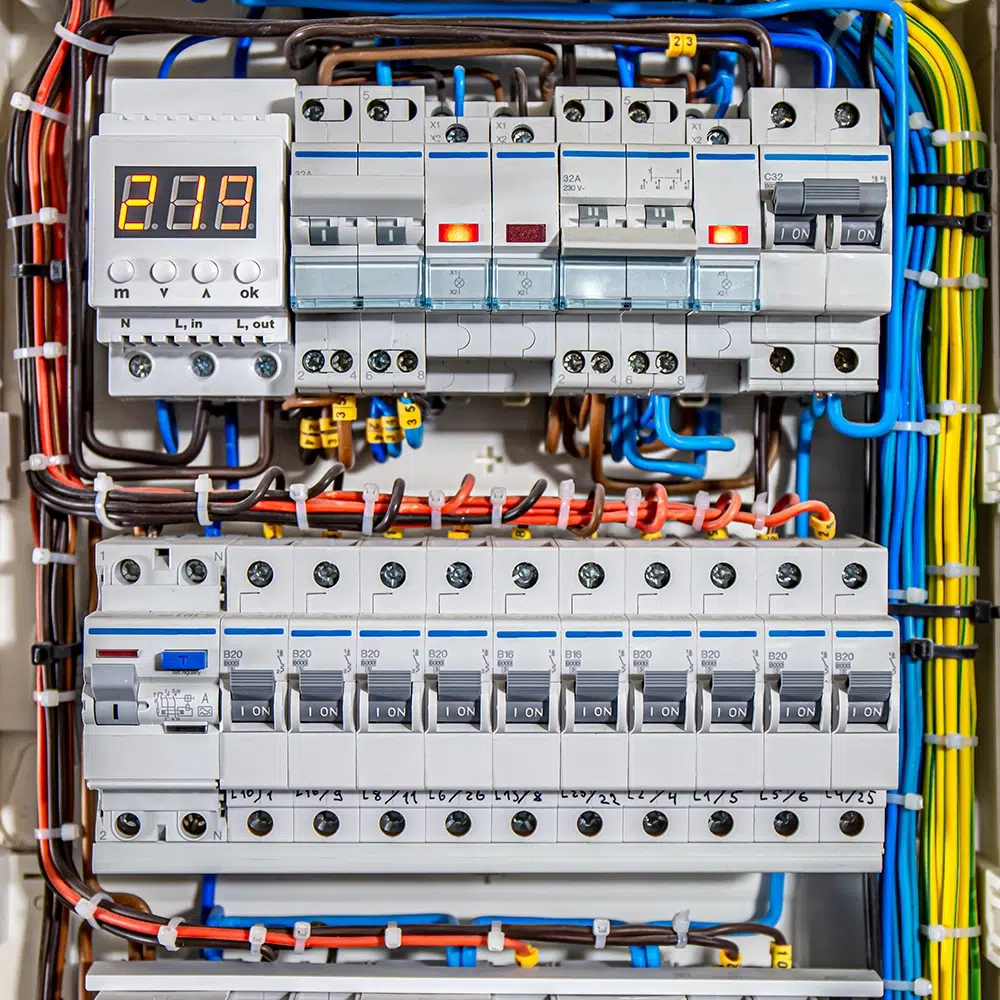
As you prepare to install an electric vehicle (EV) charger at your home, it’s vital to evaluate the capacity of your switchboard. This is a critical step to ensure the safe and efficient operation of your EV charger, while also maintaining the overall electrical integrity of your property.
Understanding Switchboard Capacity Limitations
Your switchboard has a finite capacity, which is determined by the size of the main circuit breaker and the total number of circuits it can safely handle. Overloading the switchboard can lead to dangerous situations, such as tripping the main circuit breaker or even starting a fire. Before installing an EV charger, you’ll need to assess whether your switchboard has enough capacity to accommodate the additional electrical load.
Consulting a Qualified Electrician
It’s highly recommended to have a qualified residential electrician evaluate your switchboard’s capacity. They will be able to assess the current load, determine the additional capacity required for the EV charger, and advise on any necessary upgrades or modifications to your electrical system.
Ensuring Compliance and Safety
In Western Australia, all electrical work, including switchboard upgrades, must comply with the relevant Australian Standards and be approved by Western Australian Power. A licensed and experienced electrician will ensure your switchboard and EV charger installation meet all safety and compliance requirements, protecting your home and family.
Preparing for the Upgrade
If your switchboard requires an upgrade to accommodate the EV charger, there are a few steps you can take to prepare. Clear a path to the switchboard, ensure the area is well-lit, and have any necessary documentation or information about your property’s electrical system ready to share with the electrician. This will help the process go smoothly and efficiently.
By carefully evaluating your switchboard’s capacity and working with a qualified electrician, you can ensure your EV charger installation is safe, compliant, and ready to power your eco-friendly transportation needs. For further guidance or to schedule an assessment, please don’t hesitate to contact our team.
Calculating Your Switchboard Load For EV Charging
Calculating Your Switchboard Load For EV Charging
As more Australian homeowners embrace the transition to electric vehicles (EVs), it’s vital to ensure your electrical switchboard can handle the increased power demands. Calculating your switchboard load for EV charging is a vital step in preparing your home for a safe and efficient charging setup.
Understanding Switchboard Capacity and EV Charging Needs
Your home’s electrical switchboard has a finite capacity, measured in amps or kilowatts. Adding an EV charger can significantly increase the load on your switchboard, potentially overloading it if not properly assessed. Factors like the size of your home, existing electrical usage, and the power requirements of your EV all play a role in determining the necessary switchboard capacity.
Consulting a Qualified Electrician
To ensure your switchboard can accommodate an EV charger, it’s best to consult a qualified residential electrician. They can perform a comprehensive assessment, identify any potential issues, and recommend the appropriate upgrades or modifications to your switchboard.
Electrical Safety and Compliance
In Western Australia, all electrical work, including switchboard upgrades for EV charging, must comply with strict safety regulations and be approved by Western Australian Power. A professional switchboard upgrade ensures your home meets these essential safety standards.
Preparing for EV Charging Installation
Before installing an EV charger, you’ll need to ensure your switchboard has sufficient capacity and can handle the additional load. This may involve upgrading your switchboard to a higher amperage or installing a dedicated circuit for the EV charger. Your electrician can guide you through this process and help you ensure your home’s electrical system is ready for the EV charging installation.
By working with a qualified electrician and carefully calculating your switchboard load, you can prepare your home for a seamless and safe transition to EV charging. This proactive approach will help you avoid potential issues and ensure your electrical infrastructure is ready to power your electric vehicle.
Meeting Electrical Upgrade Requirements For EV Chargers
Meeting Electrical Upgrade Requirements For EV Chargers
As electric vehicles (EVs) become more prevalent in Australia, homeowners need to ensure their electrical systems are prepared to handle the increased power demands. Upgrading your switchboard or electrical panel is often required to safely install an EV charger and comply with local regulations. This process can seem daunting, but with the right guidance, you can navigate it successfully.
Potential Risks and Considerations
One key consideration is the capacity of your home’s existing electrical system. Older switchboards may not have sufficient amperage to support the power draw of an EV charger, leading to potential overloads and safety hazards. Improper installation can also create fire risks or cause damage to your property. It’s vital to work with a licensed Residential Electrician to assess your needs and ensure compliance.
Best Practice Approach
Qualified electricians follow a structured process to upgrade your electrical system for an EV charger. This typically includes a comprehensive assessment of your home’s electrical capacity, identification of any necessary upgrades, and the design and installation of a compliant solution. They will also obtain the required permits and approvals from Western Australian Power to ensure your installation meets all safety and regulatory standards.
Electrical Safety and Compliance
In Western Australia, the installation of an EV charger must comply with the Australian Standards and local electrical codes. This includes ensuring the switchboard or electrical panel has sufficient capacity, the wiring is properly sized and installed, and all necessary safety features are in place, such as Smoke Alarms. A licensed electrician will provide you with the required safety certificates to demonstrate compliance.
Preparing for the Upgrade
Before your electrician arrives, take some time to prepare your home. Clear access to the switchboard or electrical panel, and ensure the area is well-lit and of any obstructions. It’s also a good idea to have a rough idea of your current electrical usage and the anticipated power requirements of your EV charger. This will help your electrician provide the most suitable solution.
Seeking Professional Guidance
Upgrading your electrical system for an EV charger is a complex task that requires the expertise of a licensed Electrical Switchboard Upgrade specialist. By working with a trusted local electrician, you can ensure your installation is safe, compliant, and tailored to your specific needs, giving you peace of mind and a smooth transition to electric vehicle ownership.
Considerations For Three Phase Switchboard Upgrades
Considerations For Three Phase Switchboard Upgrades
As the adoption of electric vehicles (EVs) continues to rise in Australia, many homeowners are facing the need to upgrade their electrical switchboard to support the installation of a dedicated EV charger. This is particularly true for properties with three-phase power supply, which requires careful planning and execution to ensure a seamless and safe upgrade process.
Navigating Three-Phase Switchboard Complexity
Three-phase electrical systems are more complex than single-phase, with unique considerations around load balancing, earthing, and integration with the broader electrical infrastructure. Homeowners must work closely with qualified residential electricians to assess their specific power requirements, identify potential constraints, and develop a tailored upgrade plan.
Ensuring Compliance and Safety
Upgrading a three-phase switchboard is a highly technical process that must comply with strict Australian electrical standards and regulations. Factors like circuit breaker sizing, earthing, and voltage balancing require expert analysis to ensure the upgraded system is safe, reliable, and approved by Western Australian Power.
Navigating Strata Approval Processes
Electrical switchboard upgrades in strata properties can be particularly complex, as they often involve coordinating with the strata management and obtaining necessary approvals. Homeowners must familiarise themselves with the strata’s guidelines and work closely with their electrician to ensure a seamless upgrade process.
Preparing for Increased Electrical Demand
The addition of an EV charger can significantly increase a home’s electrical load, especially in three-phase systems. Homeowners should work with their electrician to assess their overall power needs, including future growth, and ensure the upgraded switchboard is designed to handle the increased demand safely and efficiently. Smoke alarm testing and other safety checks should also be conducted as part of the upgrade process.
Upgrading a three-phase switchboard to accommodate an EV charger is a complex process that requires careful planning, compliance, and safety considerations. By working with a qualified and experienced electrical contractor, homeowners can ensure their switchboard upgrade is completed to the highest standards, providing a safe and reliable platform for their electric vehicle charging needs.
Ensuring Compliant RCD Protection For EV Circuits
Ensuring Compliant RCD Protection For EV Circuits
As you prepare your switchboard for an electric vehicle (EV) charger installation, it’s vital to ensure your circuits are properly protected by Residual Current Devices (RCDs). RCDs are safety devices that monitor electrical current and quickly cut power if they detect a fault, preventing electric shocks and fires. Proper RCD installation is essential for the safe operation of your EV charger and the overall electrical safety of your home.
Understanding RCD Requirements for EV Circuits
EV chargers require dedicated circuits with RCD protection to comply with Australian electrical standards. This is because EV charging can create unique electrical risks, such as potential ground faults or leakage currents. Attempting to install an EV charger on a non-RCD protected circuit could result in serious safety issues and may even be illegal in many areas.
How Qualified Electricians Approach RCD Installation
When upgrading your switchboard for an EV charger, a licensed residential electrician will ensure the dedicated EV circuit is fitted with a Type A RCD. This specialized RCD is designed to detect a wider range of fault currents than standard RCDs, providing the necessary level of protection for your EV charging setup.
Regulatory Requirements and Safety Compliance
In Western Australia, the electrical standards mandated by the state’s power authority, Western Power, require RCD protection for all EV charging circuits. Proper RCD installation is not only a safety necessity but also a legal requirement to obtain the necessary electrical compliance certificates for your EV charger installation. Upgrading your electrical switchboard is often the best way to ensure full compliance.
Preparing Your Switchboard and Circuits
Before your EV charger can be installed, your electrical switchboard may need to be upgraded to accommodate the new circuit and RCD protection. This could involve adding a new circuit breaker, upgrading the main switchboard, or even replacing the entire switchboard. Your licensed electrician can assess your existing electrical system and recommend the best approach to ensure your EV charging setup is safe and compliant.
Seeking Professional Guidance
Navigating the technical requirements and safety considerations for EV charger installations can be complex. It’s always best to consult a qualified licensed electrician who can provide expert guidance and ensure your home’s electrical system is properly prepared and protected for your new EV charger.
Installing A Dedicated Circuit For Your EV Charger
Understanding The Importance Of A Dedicated Circuit For Your EV Charger
As electric vehicles (EVs) become more prevalent in Australia, homeowners are increasingly looking to install dedicated charging stations at their properties. A critical step in this process is ensuring your home’s electrical switchboard can accommodate the additional load of an EV charger. Upgrading to a dedicated circuit for your EV charger is essential for safety, compliance, and optimal performance.
Avoiding Overloaded Circuits And Potential Hazards
Many homeowners make the mistake of attempting to power their EV charger through an existing general-purpose circuit. This can lead to overloaded circuits, tripped breakers, and even fire hazards. A dedicated circuit, installed by a qualified residential electrician, ensures the electrical system can safely handle the increased demand of an EV charger.
Best Practices For A Professional EV Charger Installation
Experienced electricians follow a rigorous process when installing a dedicated circuit for an EV charger. This includes carefully assessing your home’s electrical capacity, upgrading the switchboard if necessary, and installing the appropriate circuit breaker and wiring to support the charger’s power requirements. Doing so ensures your EV charging setup is both safe and compliant with Australian electrical standards.
Ensuring Electrical Safety And Compliance
In Western Australia, all electrical work must be performed by a licensed electrician and comply with the relevant Australian Standards. When installing a dedicated EV charger circuit, your electrician will obtain the necessary permits and inspections to guarantee your installation meets all safety and compliance requirements. This protects both you and your home from potential electrical hazards.
Preparing Your Home For EV Charging
Before your electrician can install a dedicated EV charger circuit, they will need to assess your home’s electrical capacity and switchboard. This may involve upgrading your electrical switchboard or installing additional circuits to handle the increased load. Your electrician will guide you through this process and ensure your home is ready to safely accommodate your new EV charger.
Investing in a dedicated circuit for your EV charger is a responsible decision that prioritises safety and long-term performance. By working with a qualified residential electrician, you can ensure your home’s electrical system is properly prepared to support your electric vehicle and enjoy the benefits of eco-friendly, convenient charging.
Dedicated Electrical Circuit Installation For EV Chargers
Dedicated Electrical Circuit Installation For EV Chargers
As electric vehicles become more prevalent in Australian households, it’s essential to ensure your home’s electrical system is prepared to handle the increased power demands of an EV charger. Proper circuit installation is essential for both safety and efficiency when charging your electric car at home.
Risks and Considerations for EV Charger Circuits
Overloading your home’s existing electrical circuits can lead to dangerous situations, such as circuit breakers tripping, wiring overheating, or even fire hazards. Additionally, if your home’s electrical panel is outdated or undersized, it may not be able to accommodate the additional load of an EV charger without an upgrade. Consulting a licensed residential electrician is highly recommended to assess your home’s electrical capacity and make the necessary modifications.
Best Practices for EV Charger Circuit Installation
Experienced electricians will typically install a dedicated 240-volt circuit for your EV charger, separate from your home’s main electrical system. This ensures the charger has the necessary power and prevents overloading other circuits. They will also ensure the circuit is properly grounded and that the electrical panel can handle the additional load without any issues.
Electrical Safety and Compliance for EV Chargers
In Western Australia, all electrical work, including the installation of an EV charger circuit, must comply with the Australian Standards and be performed by a licensed electrical switchboard upgrade specialist. This ensures the work is done safely and that your home’s electrical system meets the necessary safety requirements.
Preparing Your Home for an EV Charger
Before installing an EV charger, it’s important to assess the electrical capacity of your home and identify the best location for the charger. Your electrician can help you determine the appropriate circuit size, identify any necessary panel upgrades, and ensure the installation is compliant with all relevant regulations and safety standards. They can also provide guidance on the type of charger that best suits your needs and home setup.
Investing in a dedicated electrical circuit for your EV charger is a essential step in preparing your home for the transition to electric vehicles. By working with a licensed and experienced electrician, you can ensure the safe and efficient installation of your EV charger, while also protecting the integrity of your home’s electrical system.
Notifying Western Power About Your EV Charger
Notifying Western Power About Your EV Charger
As an Australian homeowner, it’s important to understand the process of notifying Western Power about your plans to install an electric vehicle (EV) charger. This step ensures your electrical system can handle the additional load safely and efficiently, maintaining the integrity of the grid.
Understanding the Risks of Improper Installation
Improperly installed EV chargers can pose serious safety risks, including fire hazards and potential damage to your home’s electrical system. It’s very important to work with a licensed Residential Electrician who can assess your switchboard and ensure it’s ready to handle the additional power requirements of an EV charger.
The Role of Qualified Electricians
Experienced electricians will work closely with Western Power to obtain the necessary approvals and permits for your EV charger installation. They’ll also ensure your switchboard is upgraded to accommodate the increased electrical load, protecting your home and safeguarding the local grid.
Compliance and Regulations
In Western Australia, all electrical work, including the installation of an EV charger, must comply with strict safety standards and regulations. A Switchboard Upgrade may be required to ensure your home’s electrical system is up to code and can safely support the EV charger.
Preparing for Your EV Charger Installation
Before your electrician can begin the installation process, they’ll need to work with Western Power to assess your home’s electrical capacity and obtain the necessary approvals. This may involve upgrading your Electrical Switchboard or making other modifications to your home’s electrical infrastructure.
By working closely with a qualified electrician and Western Power, you can ensure your EV charger installation is safe, compliant, and ready to power your eco-friendly transportation needs. Remember, taking the time to do it right the first time can save you from potential issues down the road.
Coordinating Your EV Charger Installation Timing
Coordinating Your EV Charger Installation Timing
For installing an electric vehicle (EV) charger, timing is vital. The process of preparing your switchboard and electrical infrastructure requires careful coordination to ensure a seamless and safe installation. As a homeowner, understanding the steps involved and the potential timeline can help you better manage the project and avoid any unexpected delays.
Anticipating Potential Switchboard Upgrades
One of the key considerations when installing an EV charger is the capacity of your existing switchboard. Many older homes may not have the necessary electrical capacity to support the high-power demands of an EV charger. In such cases, a switchboard upgrade may be required, which can add time and cost to the overall project.
Navigating Strata Approval Processes
If you live in a strata-managed property, the installation of an EV charger may require approval from the strata council. This process can vary depending on the specific rules and regulations of your building, so it’s important to familiarise yourself with the requirements early on. Working closely with your residential electrician and strata management can help make easier this step.
Ensuring Electrical Safety Compliance
In Western Australia, all electrical work, including the installation of an EV charger, must comply with strict safety standards and regulations. Your electrician will need to obtain the necessary approvals and permits from Western Australian Power to ensure your installation meets all safety requirements.
Preparing for the Installation Process
Once the necessary preparations and approvals are in place, your electrician can proceed with the EV charger installation. This may involve running new electrical cables, upgrading the switchboard, and ensuring the charger is properly integrated into your home’s electrical system. It’s important to provide your electrician with access to the installation site and any relevant information about your home’s electrical infrastructure.
By understanding the timing considerations and working closely with your electrical service provider, you can help ensure a smooth and efficient EV charger installation process. Remember, it’s always best to consult with a qualified electrician to ensure your home is properly prepared and your new EV charger is installed safely and in compliance with all applicable regulations.
Understanding Cost Implications Of Switchboard Upgrades
Understanding Cost Implications Of Switchboard Upgrades
As an Australian homeowner considering an electric vehicle (EV) charger installation, it’s important to understand the potential cost implications of upgrading your home’s switchboard. This often-overlooked aspect can significantly impact the overall project budget, so let’s explore the key factors to consider.
Assessing Existing Switchboard Capacity
The first step is to have a qualified residential electrician assess the current capacity and condition of your home’s switchboard. They’ll determine if it can safely accommodate the additional electrical load required by an EV charger or if an upgrade is necessary.
Factors Influencing Switchboard Upgrade Costs
The cost of a switchboard upgrade can vary widely depending on factors like the age and size of your existing system, the need for additional circuit breakers or electrical panels, and any necessary rewiring or panel relocation. In some cases, the upgrade may also require electrical switchboard replacement to ensure compliance with Western Australian Power regulations.
Compliance and Safety Considerations
It’s essential to ensure that any switchboard upgrade meets the latest Australian electrical safety standards and is approved by Western Australian Power. This may involve obtaining the necessary permits and inspections to ensure your home’s electrical system is safe and compliant.
Preparing for the Upgrade
Before the switchboard upgrade, you’ll need to clear the area around the existing panel, provide access for the electricians, and be prepared for a temporary power outage during the work. Your residential electrician can guide you through the process and help you plan for a smooth installation.
By understanding the potential cost implications and preparation required for a switchboard upgrade, you can make informed decisions and ensure a successful EV charger installation that meets all safety and compliance requirements. Remember, working with a trusted and experienced electrical switchboard upgrade specialist is key to a positive outcome.
Choosing The Appropriate Switchboard Size
Choosing The Appropriate Switchboard Size For Your Home
When preparing your home’s electrical switchboard for an electric vehicle (EV) charger installation, selecting the right switchboard size is very important. The switchboard must have sufficient capacity to handle the additional load from the EV charger without overloading the system or compromising safety.
Understanding Switchboard Capacity and Load Requirements
The size of your home’s switchboard is determined by the total electrical load it needs to support. This includes lighting, appliances, and any future additions like an EV charger. Choosing a switchboard with inadequate capacity can lead to circuit breakers tripping, power outages, and even fire hazards. It’s essential to work with a qualified Residential Electrician to assess your home’s current and future electrical needs.
Factors to Consider for Switchboard Sizing
Several factors influence the appropriate switchboard size, including the square footage of your home, the number and type of electrical appliances, and the anticipated power draw of the EV charger. Your electrician will also need to consider any planned renovations or additions that could increase your home’s overall electrical load.
Compliance and Safety Regulations
In Western Australia, all electrical work, including switchboard upgrades, must comply with the Australian Standards and be approved by Western Australian Power. A Switchboard Upgrade must be performed by a licensed electrician who can ensure the installation meets all safety requirements and provide the necessary certification.
Preparing for the Switchboard Upgrade
Before your electrician can install the EV charger, they will need to assess your existing switchboard and determine if an upgrade is necessary. This may involve upgrading the main switchboard or adding a dedicated circuit for the EV charger. Your electrician can also advise on the best location for the charger and any necessary electrical panel modifications. Regular Smoke Alarm Install and Testing should also be considered as part of the overall electrical safety upgrade.
By working closely with a qualified Residential Electrician, you can ensure your home’s electrical switchboard is properly sized and upgraded to safely accommodate an EV charger installation. This will help prevent any electrical issues and provide the necessary capacity for your future energy needs.
Considerations For Upgrading Shared Electrical Supply
Considerations For Upgrading Shared Electrical Supply
Owning a home in a strata complex or apartment building can present unique electrical challenges, especially when preparing to install an EV charger. Shared electrical supply and load management are critical factors to address before proceeding. Understanding the risks and best practices for upgrading your switchboard in this context is essential for a seamless and compliant installation.
Navigating Strata Approval Processes
In a shared living environment, any major electrical work requires approval from the strata council. This can involve complex application processes and coordination with other residents. Seeking guidance from a qualified Residential Electrician is highly recommended to ensure you comply with all strata regulations and avoid potential conflicts.
Assessing Shared Electrical Capacity
The electrical supply in a strata complex is typically shared among multiple units, which means the available capacity must be carefully assessed before upgrading your switchboard. An experienced electrician can evaluate the overall load and determine if the existing infrastructure can support the additional power demand of an EV charger without causing imbalances or overloads.
Compliance with Australian Electrical Standards
Upgrading a shared electrical supply must adhere to the strict guidelines set by Electrical Switchboard Upgrade regulations in Western Australia. This ensures the safety and reliability of the entire system, protecting both your property and the surrounding units.
Preparing for a Smooth Switchboard Upgrade
When upgrading your switchboard in a strata complex, it’s essential to plan ahead and communicate with your neighbours. This may involve coordinating power outages, managing access to common areas, and ensuring the work is completed efficiently and with minimal disruption. Your Smoke Alarm Install and Testing should also be reviewed to ensure compliance.
By working closely with a trusted Residential Electrician and navigating the unique considerations of shared electrical supply, you can successfully prepare your home for a safe and compliant EV charger installation. This proactive approach will help you avoid potential issues and ensure a seamless transition to sustainable, eco-friendly transportation.
Ensuring Electrical Compliance For EV Charger Installation
Ensuring Electrical Compliance For EV Charger Installation
Preparing your home’s electrical switchboard for an electric vehicle (EV) charger installation is a essential step in the process. Ensuring full compliance with local regulations and safety standards is essential to protect your family, your home, and your investment. As a leading Perth electrician, LionGrid Electrical has the expertise to guide you through this process smoothly.
Risks and Considerations for EV Charger Installations
Improper electrical installations can pose serious fire and safety risks. Overloaded circuits, outdated wiring, and incompatible equipment can all lead to dangerous outcomes. Homeowners must also navigate the complexities of strata approval processes and load management for shared electrical supplies. Working with a qualified residential electrician is the best way to mitigate these risks and ensure a safe, compliant installation.
Approaching EV Charger Installations Correctly
LionGrid Electrical’s team of expert electricians follow a thorough, step-by-step process to prepare your home’s electrical system for an EV charger. This includes a comprehensive assessment of your switchboard’s capacity, wiring condition, and overall electrical load. They then devise a tailored solution to upgrade your switchboard, if necessary, and install the EV charger to Western Australian Power’s strict safety standards.
Electrical Safety and Compliance Regulations
All EV charger installations in Western Australia must comply with the latest Australian electrical safety standards and regulations. This includes obtaining the necessary permits, using equipment, and passing mandatory inspections. LionGrid Electrical ensures your installation meets these requirements, providing you with comprehensive safety certificates to give you total peace of mind.
Preparing Your Home for an EV Charger
Before your electrical switchboard upgrade and EV charger installation, there are a few practical steps you can take to prepare. Measure the available space, identify your current electrical load, and familiarise yourself with the strata approval process, if applicable. Consulting with a qualified electrician is also highly recommended to ensure a smooth and compliant installation.
By working with the experts at LionGrid Electrical, you can rest assured that your EV charger installation will be completed safely, efficiently, and in full compliance with all relevant regulations. Contact us today to schedule your consultation and take the first step towards a greener, more sustainable future.
Preparing Your Switchboard For The EV Charger Installation Timeline
Preparing Your Switchboard For The EV Charger Installation Timeline
As the adoption of electric vehicles (EVs) continues to rise in Australia, homeowners must ensure their switchboards are ready to accommodate the increased electrical demand. This article will guide you through the essential steps to prepare your switchboard for a seamless EV charger installation, helping you navigate the process with confidence.
Assessing Your Switchboard’s Capacity
The first step in preparing your switchboard is to determine its current capacity. Your switchboard must be able to handle the additional load from an EV charger, which can range from 7. 4kW to 22kW, depending on the model. A qualified Residential Electrician can assess your switchboard and provide recommendations on any necessary upgrades.
Understanding Switchboard Upgrade Requirements
If your switchboard is outdated or lacks the capacity for an EV charger, you’ll need to consider a switchboard upgrade. This may involve replacing the entire switchboard or adding additional circuits to accommodate the increased electrical demand. Your electrician will be able to guide you through the specific requirements and timeline for your property.
Complying with Australian Electrical Standards
Ensuring your switchboard and EV charger installation comply with Australian electrical standards is very important for safety and compliance. Your Electrical Switchboard Upgrade must be carried out by a licensed electrician and inspected by the relevant authorities to obtain the necessary approvals and safety certificates.
Preparing Your Home for the Installation
Before the EV charger installation, you may need to prepare your home by clearing access to the switchboard, ensuring adequate ventilation, and liaising with your strata or local council if required. Your electrician can provide specific guidance on the necessary preparations to ensure a smooth and efficient installation process.
Scheduling the Installation and Activation
Once your switchboard is ready, your electrician will schedule the EV charger installation and coordinate the activation process with the relevant authorities. It’s important to follow their instructions and be available during the scheduled appointment to ensure a seamless transition to your new EV charging setup.
Optimising Your Switchboard For EV Charger
Optimising Your Switchboard For EV Charger
As electric vehicles (EVs) become more prevalent in Australian homes, it’s essential to ensure your electrical switchboard is prepared to handle the increased power demands. Upgrading your switchboard can not only support your EV charging needs but also enhance the overall safety and efficiency of your home’s electrical system.
Assessing Your Switchboard’s Capacity
Many older homes may have outdated switchboards that are not equipped to handle the load of an EV charger. Overloading the system can lead to dangerous situations, such as tripped breakers or even fire hazards. Before installing an EV charger, it’s essential to have a qualified Residential Electrician evaluate your switchboard’s capacity and recommend any necessary upgrades.
Upgrading for Increased Electrical Demand
If your switchboard is deemed insufficient, the electrician may recommend a switchboard upgrade to accommodate the additional power requirements of your EV charger. This could involve installing a larger main switch, adding more circuit breakers, or even replacing the entire switchboard. By taking proactive steps, you can ensure your home’s electrical system is prepared to handle the demands of your EV.
Compliance and Safety Considerations
In Western Australia, all electrical work, including switchboard upgrades, must be performed by a licensed electrician and comply with the relevant Australian Standards and regulations. Electrical Switchboard Upgrade services from LionGrid Electrical ensure your home’s electrical system is upgraded safely and in full compliance with local authorities.
Preparing Your Home for the EV Charger
Once your switchboard is optimised, the next step is to prepare your home for the EV charger installation. This may include identifying the best location for the charger, ensuring adequate space and ventilation, and coordinating any necessary electrical work. Smoke Alarm Install and Testing should also be considered to maintain overall electrical safety.
By proactively addressing your switchboard’s capacity and upgrading it as needed, you can confidently and safely integrate an EV charger into your home. Remember, consulting a qualified electrician is the best way to ensure your electrical system is ready to power your electric vehicle and protect your family.