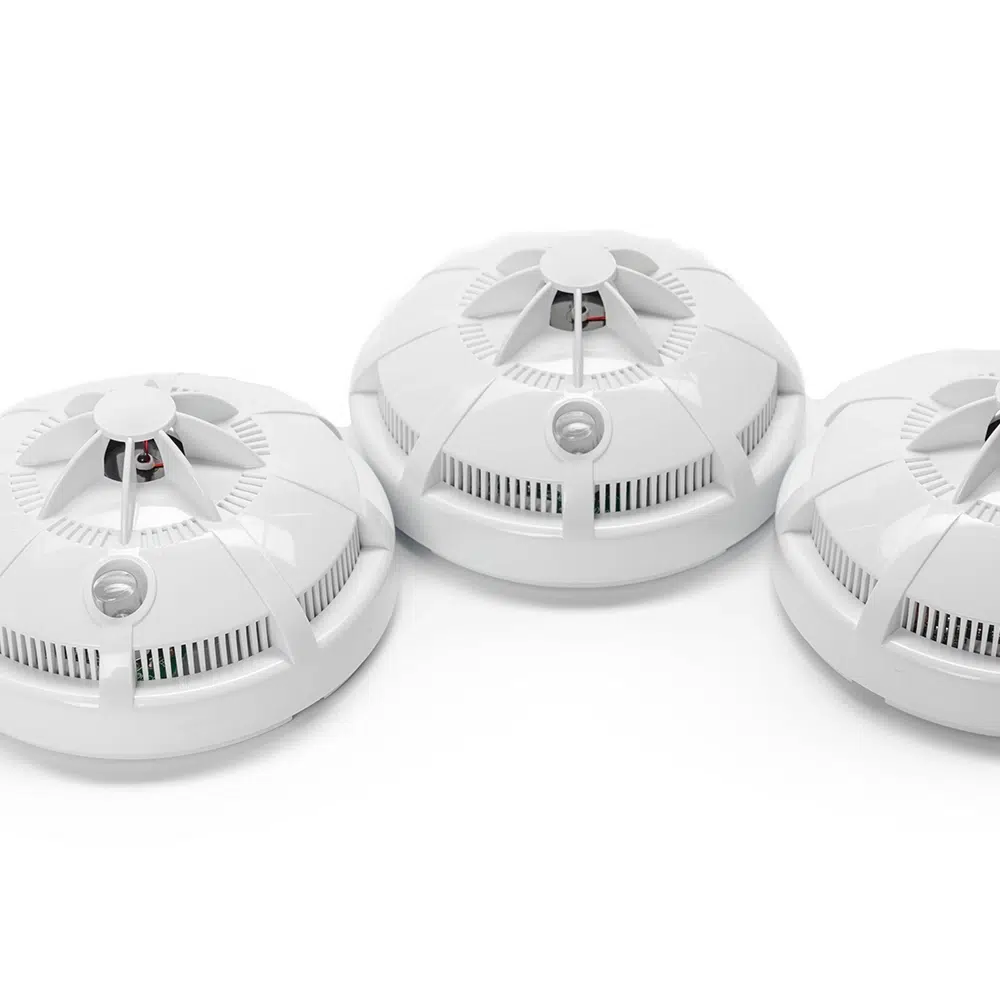
Understanding Hard Wired Smoke Alarm Systems
Understanding the Benefits of Hard Wired Smoke Alarm Systems
As a homeowner in Western Australia, ensuring the safety and security of your family is of utmost importance. One vital aspect of this is the installation of a reliable smoke alarm system. While both hard-wired and battery-powered smoke alarms have their merits, hard-wired systems offer distinct advantages that make them the preferred choice for many local residents.
Uninterrupted Power and Interconnectivity
Hard-wired smoke alarms are directly connected to your home’s electrical system, providing a constant and uninterrupted power supply. This eliminates the need to regularly replace batteries, which can be easily forgotten or neglected. Additionally, hard-wired alarms can be interconnected, meaning that if one alarm is triggered, all other alarms in the home will sound simultaneously, providing a comprehensive early warning system.
Professional Installation for Optimal Placement
Proper installation is critical for the effectiveness of any smoke alarm system. When you choose a residential electrician to install your hard-wired alarms, you can be confident that they will be positioned in the optimal locations throughout your home, ensuring maximum coverage and responsiveness.
Compliance with Western Australian Regulations
In Western Australia, the installation of hard-wired smoke alarms is a legal requirement for all residential properties. Smoke alarm compliance is essential for the safety of your family and to avoid potential fines or penalties. By choosing a hard-wired system, you can rest assured that your home meets the necessary safety standards.
Maintenance and Reliability
Hard-wired smoke alarms require minimal maintenance, as they don’t rely on batteries that need to be replaced regularly. Additionally, they are less susceptible to tampering or accidental deactivation, ensuring that your home’s smoke detection system remains reliable and ready to alert you in the event of a fire. For added peace of mind, consider scheduling regular electrical fault finding to ensure your system is functioning correctly.
In conclusion, the installation of a hard-wired smoke alarm system is a wise investment in the safety and security of your Western Australian home. By choosing this reliable and compliant option, you can protect your family and enjoy the peace of mind that comes with a comprehensive fire detection system.
The Limitations Of Battery-Powered Smoke Alarms
The Limitations Of Battery-Powered Smoke Alarms
While battery-powered smoke alarms can provide a level of fire safety, they come with significant limitations that homeowners need to be aware of. These alarms rely on a finite power source that requires regular maintenance and replacement, which can be easily overlooked, leaving your home vulnerable.
Unreliable Power Source
Battery-powered smoke alarms can fail without warning when the batteries die, leaving your home unprotected. This risk is especially high in homes where residents frequently travel or forget to regularly check and replace the batteries. Electrical Fault Finding may be required to ensure the alarms are functioning properly.
Proper Installation and Maintenance
Battery-powered smoke alarms must be installed and maintained correctly to ensure they work as intended. This includes replacing batteries at the recommended intervals, which can be easily forgotten. Residential Electrician services can help ensure your smoke alarms are properly installed and maintained.
Compliance and Regulations
In Western Australia, the Building Codes of Australia require that all new homes and major renovations have interconnected, hard-wired smoke alarms with battery backup. Smoke Alarm Install and Testing services can help ensure your home meets these important safety regulations.
Interconnectivity and Early Warning
Hard-wired smoke alarms can be interconnected, so if one alarm is triggered, they all sound. This provides much earlier warning and a higher level of safety for your family. Battery-powered alarms cannot be easily interconnected, limiting their effectiveness.
While battery-powered smoke alarms can provide some protection, the limitations and risks make them a less reliable choice for modern Australian homes. Consulting with a qualified Electrical Switchboard Upgrade specialist is the best way to ensure your home has the most effective and compliant smoke alarm system in place.
Comparing Power Sources for Smoke Alarms
Comparing Power Sources for Smoke Alarms
For smoke alarm safety, the choice between hard-wired and battery-powered systems is a critical decision for Australian homeowners. Both options have their own unique advantages and considerations that must be carefully weighed to ensure your family’s security.
Understanding the Risks of Battery-Powered Smoke Alarms
Battery-powered smoke alarms can be a convenient and cost-effective solution, but they also carry inherent risks. Batteries can die unexpectedly, leaving your home unprotected, and homeowners often forget to regularly test and replace them. This can lead to potentially dangerous situations where the alarm may not function when you need it most.
The Benefits of Hard-Wired Smoke Alarm Systems
Hard-wired smoke alarms, on the other hand, offer a more reliable and comprehensive solution. They are permanently connected to your home’s electrical system, ensuring a constant power supply and eliminating the need for battery replacement. Additionally, hard-wired alarms can be interconnected, allowing all alarms in the home to sound simultaneously, providing faster notification in the event of a fire.
Ensuring Compliance and Safety with Hard-Wired Alarms
Smoke Alarm Install and TestingIn Western Australia, the installation of hard-wired, photoelectric smoke alarms is a legal requirement for all homes. These alarms must be installed by a licensed electrician to ensure they meet the necessary safety standards and comply with local regulations. Proper installation is vital to guarantee your family’s protection and avoid potential fines or penalties.
Preparing Your Home for Hard-Wired Smoke Alarms
Electrical Switchboard UpgradeResidential ElectricianIf your home currently has battery-powered smoke alarms, upgrading to a hard-wired system may require an electrical switchboard upgrade or other electrical work. Our team of residential electricians can assess your home’s electrical infrastructure and provide a seamless transition to a hard-wired smoke alarm system that meets all safety and compliance requirements.
For protecting your family, the choice between hard-wired and battery-powered smoke alarms is not one to be taken lightly. By understanding the risks and benefits of each option, and working with a qualified smoke alarm installation professional, you can ensure your home is equipped with the most reliable and compliant smoke detection system.
Comparing Reliability of Hard Wired and Battery Smoke Alarms
Comparing Reliability of Hard Wired and Battery Smoke Alarms
Ensuring the safety of your family is a top priority, and choosing the right smoke alarm system is a critical decision. In Western Australia, homeowners must comply with strict regulations to protect their loved ones. regarding hard wired and battery-operated smoke alarms, understanding the reliability of each option is essential.
Risks and Considerations with Battery Smoke Alarms
Battery-powered smoke alarms can be convenient, but they also come with inherent risks; batteries can die unexpectedly, leaving your home unprotected. Additionally, homeowners may forget to replace batteries regularly, leading to a false sense of security. Power outages can also render battery-operated alarms ineffective, compromising your family’s safety.
The Advantages of Hard Wired Smoke Alarms
In contrast, hard wired smoke alarms offer a more reliable solution. These systems are permanently installed and connected to your home’s electrical system, ensuring a constant power supply. When properly installed by a licensed residential electrician, hard wired smoke alarms can provide uninterrupted protection, even during power outages.
Compliance and Regulations for Smoke Alarms
In Western Australia, the Building Regulations 2012 mandate the installation of photoelectric hard wired smoke alarms in all residential properties. These regulations ensure that homeowners prioritise safety and comply with the highest standards.
Preparing for a Smoke Alarm Installation
When considering a smoke alarm upgrade, it’s essential to work with a qualified electrical switchboard upgrade specialist who can assess your home’s electrical infrastructure and identify any potential electrical faults. This proactive approach can help ensure a seamless and compliant smoke alarm installation.
By understanding the reliability and regulatory requirements of hard wired and battery smoke alarms, homeowners in Western Australia can make an informed decision to protect their families. Remember, professional guidance from a trusted local electrician is always recommended regarding ensuring the safety and compliance of your home’s smoke alarm system.
Maintaining Hard Wired Smoke Alarms in Strata Properties
Maintaining Hard Wired Smoke Alarms in Strata Properties
Keeping your hard-wired smoke alarms in top condition is essential for the safety of your strata community. As an Australian homeowner, you have a responsibility to ensure your smoke alarm system is well-maintained and compliant with local regulations. This article will guide you through the key considerations for maintaining hard-wired smoke alarms in strata properties.
Common Risks and Misconceptions
Many strata owners mistakenly believe that smoke alarm maintenance is the responsibility of the body corporate. However, the onus is on each individual owner to regularly test and service their own hard-wired smoke alarms. Neglecting this duty can put your family and neighbours at risk, and may even result in fines or legal action.
Approaching Smoke Alarm Maintenance Correctly
Qualified residential electricians recommend testing hard-wired smoke alarms every 6 months and replacing them entirely every 10 years. They can also advise on interconnecting alarms throughout your strata property to ensure a cohesive early warning system.
Compliance and Regulations
In Western Australia, all residential properties must have hard-wired, photoelectric smoke alarms installed. Smoke alarm compliance is strictly enforced, and non-compliant homes may face hefty fines; qualified electricians can ensure your system meets all relevant Australian Standards.
Practical Maintenance Tips
To keep your hard-wired smoke alarms in peak condition, regularly vacuum around the sensors to remove dust buildup. You should also familiarise yourself with your alarm’s test button and replace the backup battery annually. If you ever notice any issues, contact a qualified electrician to investigate and resolve the problem promptly.
Seeking Professional Advice
Maintaining hard-wired smoke alarms in strata properties requires diligence and expertise. If you’re ever unsure about your system’s compliance or performance, it’s best to consult a licensed electrician who can provide tailored guidance and solutions.
Comparing Costs of Hard Wired and Battery Smoke Alarms
Comparing Costs of Hard Wired and Battery Smoke Alarms
For smoke alarm systems for your home, the choice between hard-wired and battery-powered alarms can have a significant impact on your budget. Understanding the cost factors involved is very important for homeowners in Western Australia looking to ensure their family’s safety while also managing their expenses.
Upfront Installation Costs
Hard-wired smoke alarms typically have a higher initial installation cost, as they require professional electrical work to integrate them into your home’s electrical system. This includes running wiring, connecting the alarms, and ensuring proper integration with your home’s power supply. In contrast, battery-powered alarms are generally more straightforward to install, often requiring only skills.
Ongoing Maintenance Expenses
While hard-wired alarms may have a higher upfront cost, they can offer long-term savings in terms of maintenance. Battery-powered alarms require regular battery replacements, which can add up over time. Hard-wired alarms, on the other hand, are powered by your home’s electricity and only need occasional testing and cleaning, potentially reducing your overall maintenance costs.
Compliance and Regulations
In Western Australia, the smoke alarm regulations stipulate that all residential properties must have interconnected, hard-wired smoke alarms. This requirement is in place to ensure the highest level of safety and compliance, which can have a bearing on the long-term costs of your smoke alarm system.
Energy Efficiency and Environmental Impact
Hard-wired smoke alarms, being integrated into your home’s electrical system, can be more energy-efficient than battery-powered alternatives. This can translate to lower energy bills and a reduced environmental impact over time. Additionally, the need to regularly dispose of batteries from battery-powered alarms can have a greater environmental footprint.
Seeking Professional Advice
For choosing the right smoke alarm system for your home, it’s always best to consult with a qualified residential electrician. They can provide expert guidance on the most cost-effective and compliant solution for your specific needs, ensuring the safety and well-being of your family.
Comparing Costs of Hard Wired and Battery Smoke Alarms
Comparing Costs of Hard Wired and Battery Smoke Alarms
Regarding smoke alarm installation, homeowners in Western Australia have two primary options: hard-wired and battery-powered smoke alarms. Understanding the cost differences between these two systems is essential for making an informed decision that aligns with your home’s needs and your budget.
Upfront Costs: Hard-Wired vs Battery Smoke Alarms
Hard-wired smoke alarms generally have a higher upfront cost compared to battery-powered models. This is because the installation process requires an electrician to integrate the smoke alarms into your home’s electrical system. However, the long-term cost savings of hard-wired alarms may outweigh the initial investment, as you won’t need to regularly replace batteries.
Ongoing Maintenance Costs
Battery-powered smoke alarms require regular battery replacement, which can add up over time. In contrast, hard-wired smoke alarms are connected to your home’s power supply, eliminating the need for battery replacements. This can result in significant cost savings, especially in larger homes with multiple smoke alarms.
Compliance and Safety Considerations
In Western Australia, smoke alarm installations must comply with strict safety regulations. Hard-wired smoke alarms are generally considered more reliable and effective in ensuring the safety of your family, as they are less prone to battery failures or tampering.
Preparing for the Installation
When considering the cost of smoke alarm installation, it’s important to factor in any necessary electrical work, such as electrical switchboard upgrades or electrical fault finding. A qualified residential electrician can assess your home’s electrical system and provide a comprehensive estimate for the installation.
Ultimately, the decision between hard-wired and battery-powered smoke alarms should be based on your specific needs, budget, and the long-term cost implications. Consulting a professional electrician can help you make an informed choice that ensures the safety and compliance of your home.
Navigating Smoke Alarm Compliance Requirements
Navigating Smoke Alarm Compliance Requirements for Homeowners
As a homeowner in Western Australia, ensuring your property meets the latest smoke alarm compliance requirements is vital for the safety of your family. Understanding these regulations can be complex, but with the right guidance, you can navigate the process with confidence.
Identifying Compliance Risks and Considerations
One common misunderstanding is that battery-operated smoke alarms are sufficient. However, the WA Building Codes mandate the installation of interconnected, hard-wired smoke alarms for all new homes and major renovations. Failing to comply can result in hefty fines and put your loved ones at risk. It’s important to work with a licensed residential electrician to ensure your property is up to standard.
Approaching Smoke Alarm Compliance the Right Way
Qualified electricians like those at LionGrid Electrical understand the nuances of smoke alarm compliance. They can assess your property, recommend the appropriate photoelectric hard-wired systems, and ensure proper installation and interconnectivity. This comprehensive approach helps safeguard your home and gives you peace of mind.
Prioritising Safety and Compliance
Australian regulations around smoke alarm installation are in place to protect homeowners. Electrical switchboard upgrades may be necessary to accommodate the power requirements of a compliant system. Your electrician can guide you through the process and ensure your home meets all the necessary safety standards.
Practical Steps for Homeowners
When preparing for a smoke alarm compliance check, it’s a good idea to schedule a comprehensive electrical fault-finding assessment. This will help identify any potential issues and ensure your home is ready for the installation of the required hard-wired, interconnected smoke alarms.
By working with a trusted local electrician like LionGrid Electrical, you can navigate the smoke alarm compliance process with ease and have the peace of mind that your family’s safety is the top priority.
Comparing Lifespan of Hard Wired and Battery Smoke Alarms
Comparing Lifespan of Hard Wired and Battery Smoke Alarms
Regarding home safety, smoke alarms are a critical line of defence. As an Australian homeowner, understanding the lifespan differences between hard-wired and battery-powered smoke alarms can help you make an informed decision that protects your family. This comparison is especially important in the Perth climate, where environmental factors can impact alarm performance and longevity.
Battery-Powered Smoke Alarms: Convenient, But Finite
Battery-powered smoke alarms offer a simple, plug-and-play solution that’s easy to install. However, their lifespan is limited by the batteries, which typically need to be replaced every 6-12 months. Forgetting to change the batteries can leave your home vulnerable, as these alarms can fail without warning. In the hot, dry Perth summers, battery life may be shortened further, requiring more frequent replacement.
Hard-Wired Smoke Alarms: Reliable, Interconnected Protection
Hard-wired smoke alarms, on the other hand, are connected directly to your home’s electrical system, providing a steady, reliable power source. When properly installed by a residential electrician, these alarms can operate for 10 years or more without the need for battery replacement. They also have the added benefit of being interconnected, so if one alarm is triggered, they all sound, ensuring your whole family is alerted.
Compliance and Regulations for Smoke Alarms
In Western Australia, smoke alarms are mandatory in all homes, and specific requirements must be met to ensure compliance. Smoke alarm installation must be carried out by a licensed electrician, and the alarms themselves must be photoelectric and hard-wired, with battery backup. Failure to comply can result in fines and put your family’s safety at risk.
Preparing Your Home for the Future
When upgrading or installing smoke alarms, consider the long-term benefits of a hard-wired system. Not only do they provide reliable, interconnected protection, but they also add value to your home and can be easily integrated with other smart home technologies. An electrical fault finding assessment can also identify any potential issues with your home’s electrical system that may impact smoke alarm performance.
Ensuring the safety of your family is paramount. By understanding the lifespan differences between hard-wired and battery-powered smoke alarms, you can make an informed decision that provides reliable, long-term protection for your home. If you have any concerns or need professional assistance, don’t hesitate to consult a qualified electrician from LionGrid Electrical.
Interconnection Capabilities for Shared Smoke Alarm Systems
Interconnection Capabilities for Shared Smoke Alarm Systems
In inner-city and strata properties, shared smoke alarm systems are a common safety feature. These interconnected systems ensure that if one alarm is triggered, all connected alarms will sound simultaneously, alerting everyone in the building. Understanding the capabilities and considerations around these shared systems is vital for homeowners in Perth’s metropolitan areas.
Navigating Strata Approval and Load Management
Modifying or upgrading a shared smoke alarm system often requires approval from the strata or body corporate. This process can involve navigating complex protocols and ensuring the proposed changes align with the building’s electrical load capacity. Consulting a qualified residential electrician is advised to guide you through the necessary steps and secure the necessary approvals.
Best Practices for Interconnected Smoke Alarms
Properly installing and maintaining interconnected smoke alarms is vital for their reliable operation. Experienced electricians will ensure all alarms are compatible, correctly wired, and tested regularly to verify their functionality. This attention to detail helps prevent false alarms and ensures the system will work as intended in an emergency.
Compliance and Safety Regulations in Western Australia
Smoke alarm systems in Western Australia must comply with strict safety regulations to ensure the protection of residents. An electrical fault finding assessment can identify any issues with the system, and a smoke alarm installation and testing service can bring the system up to the required standards.
Preparing for Smoke Alarm Upgrades
When planning to upgrade or replace a shared smoke alarm system, it’s essential to consider factors like the building’s age, electrical infrastructure, and any upcoming renovations. Consulting a qualified electrician for an electrical switchboard upgrade can help ensure the new system is compatible and future-proof.
By understanding the interconnection capabilities and compliance requirements for shared smoke alarm systems, homeowners in Perth’s inner-city and strata properties can make informed decisions to enhance the safety and protection of their homes and communities.
The Importance of Backup Battery Power for Smoke Alarms
The Importance of Backup Battery Power for Smoke Alarms
In the event of a power outage, having a backup battery-powered smoke alarm is very important for the safety of your home and family. Smoke alarms that are hard-wired to the home’s electrical system rely on that power source to function, leaving them vulnerable when the power goes out. A battery-powered backup ensures your smoke alarms will continue to operate and alert you to potential fires, even during a blackout.
Risks of Relying Solely on Hard-Wired Smoke Alarms
Many homeowners mistakenly believe that hard-wired smoke alarms are completely reliable and don’t require any additional measures. However, this is a dangerous assumption. Power outages, electrical issues, or even simple human error can disable hard-wired smoke alarms, leaving your home unprotected. Battery backups act as a critical safeguard against these risks, providing an independent power source to keep your smoke alarms functional at all times.
Best Practices for Smoke Alarm Installation
Qualified electricians recommend installing a combination of hard-wired and battery-powered smoke alarms throughout your home. This ensures continuous coverage, with the hard-wired alarms providing primary protection and the battery backups acting as a reliable failsafe. Regularly testing and maintaining both types of smoke alarms is essential to keep your home and family safe.
Compliance and Regulations for Smoke Alarms
Smoke Alarm Install and TestingIn Western Australia, the Building Regulations 2012 mandate the installation of smoke alarms in all residential dwellings. These alarms must be interconnected, photoelectric, and hard-wired to the home’s electrical system. However, the regulations also stipulate that a backup battery must be present in each alarm to ensure continued operation during power outages.
Preparing Your Home for Smoke Alarm Installation
Electrical Switchboard UpgradeElectrical Fault FindingBefore installing new smoke alarms, it’s important to ensure your home’s electrical system is up to par. This may involve upgrading your switchboard or addressing any electrical faults. A residential electrician can assess your property and recommend the appropriate steps to prepare for a safe and compliant smoke alarm installation.
Seeking Professional Advice for Smoke Alarm Safety
Navigating the complexities of smoke alarm regulations and installation can be daunting for homeowners. By working with a qualified and experienced electrical contractor, you can ensure your home is equipped with the right smoke alarm system to keep your family safe, no matter the circumstances. Don’t hesitate to seek professional guidance to protect what matters most.
Smoke Alarm Replacement Considerations for Shared Buildings
Smoke Alarm Replacement Considerations for Shared Buildings
Maintaining reliable smoke alarm systems in shared residential buildings, such as apartment complexes or townhouse communities, requires special attention. As an Australian homeowner, it’s vital to understand the unique challenges and best practices for smoke alarm replacement in these settings.
Navigating Strata Approval and Load Management
In shared buildings, smoke alarm upgrades or replacements must often be approved by the strata committee. This process can add complexity, so it’s important to familiarise yourself with the local strata bylaws and communicate closely with your building management. Additionally, the electrical load capacity of shared buildings must be carefully considered to ensure the new smoke alarm system doesn’t overload the shared power supply.
Coordinating with Qualified Electricians
When replacing smoke alarms in a shared building, it’s highly recommended to work with a licensed and experienced residential electrician. They can navigate the unique challenges, ensure compliance with Australian standards, and coordinate the installation process with your building’s requirements.
Compliance and Safety Regulations
Smoke alarm systems in shared residential buildings must adhere to strict safety and compliance regulations, such as the National Construction Code and state-specific fire safety laws. A qualified electrician can ensure your new smoke alarm system meets all relevant Australian Standards and provides the necessary certification.
Preparing for the Upgrade Process
Before undertaking a smoke alarm replacement in a shared building, it’s essential to plan ahead. Coordinate with your building management, understand the approval process, and be prepared for any temporary power interruptions or access restrictions during the installation. A thorough electrical fault finding may also be recommended to identify any underlying issues.
By understanding the unique considerations for smoke alarm replacement in shared buildings, you can ensure your home or investment property remains safe, compliant, and aligned with your local strata’s requirements. If you have any further questions or need assistance, it’s always best to consult with a qualified electrician who specialises in this area.
The Benefits of Hard Wired Smoke Alarms
The Benefits of Hard Wired Smoke Alarms for Homeowners
As a homeowner, ensuring the safety and security of your family is of utmost importance; one critical aspect of this is the proper installation and maintenance of smoke alarms. In Western Australia, hard wired smoke alarms are the preferred choice, offering a range of benefits that can give you peace of mind and protect your loved ones.
Reliable and Consistent Performance
Hard wired smoke alarms are directly connected to your home’s electrical system, eliminating the need for battery replacements. This ensures a consistent power supply and reliable operation, reducing the risk of unexpected failures or false alarms that can occur with battery-operated models. Additionally, hard wired alarms can be interconnected, allowing all units to sound simultaneously in the event of a fire, providing a comprehensive early warning system throughout your home.
Effortless Compliance and Maintenance
Western Australian regulations require all homes to have hard wired, photoelectric smoke alarms installed. LionGrid Electrical can ensure your property is fully compliant with the latest safety standards, providing a comprehensive smoke alarm installation and testing service. By partnering with our team, you can rest assured that your home meets all necessary requirements and your family’s safety is prioritised.
Enhanced Safety and Peace of Mind
Hard wired smoke alarms are designed to be more sensitive and reliable than their battery-operated counterparts. They can detect smoke and fire more quickly, giving you and your family valuable extra time to react and evacuate in an emergency. This added layer of protection can be especially vital in larger homes or multi-level properties, where a centralised alarm system is essential for comprehensive coverage.
Preparing for the Future
As technology continues to advance, hard wired smoke alarms can be integrated with other smart home features, such as electrical switchboard upgrades and electrical fault finding systems. This allows for seamless monitoring, remote control, and enhanced safety features, ensuring your home remains up-to-date and equipped to handle the evolving needs of modern living.
By investing in a hard wired smoke alarm system, you are not only fulfilling your legal obligations as a homeowner but also prioritising the safety and well-being of your family. LionGrid Electrical is here to guide you through the process, providing expert installation and ongoing support to ensure your home remains a secure and protected haven for years to come.
Choosing Between Hard-Wired and Battery-Powered Smoke Alarms
Choosing Between Hard-Wired and Battery-Powered Smoke Alarms
Smoke alarms are a critical safety feature in every Australian home, protecting your family from the devastating effects of fire. regarding selecting the right smoke alarm system, you have two primary options: hard-wired or battery-powered. Understanding the pros and cons of each can help you make an informed decision that best suits your home and family’s needs.
The Risks of Battery-Powered Smoke Alarms
Battery-powered smoke alarms are a popular choice due to their ease of installation. However, they come with inherent risks, such as potential battery failure or depletion, leaving your home unprotected. Additionally, battery-powered alarms cannot be interconnected, meaning a fire in one part of the house may not trigger alarms in other areas, compromising overall safety.
The Benefits of Hard-Wired Smoke Alarms
Hard-wired smoke alarms, on the other hand, offer a more reliable and comprehensive solution. Professionally installed by a Residential Electrician, these alarms are powered by your home’s electrical system, ensuring a constant, uninterrupted power supply. They can also be interconnected, allowing all alarms to sound simultaneously in the event of a fire, providing early warning and enabling faster response times.
Ensuring Compliance and Safety
In Western Australia, the Building Codes of Australia (BCA) and Australian Standards (AS3786) mandate the use of hard-wired, photoelectric smoke alarms in new homes and renovations. This ensures that your home meets the highest safety standards and is fully compliant with local regulations. A Smoke Alarm Install and Testing service can help you achieve this with ease.
Preparing for Installation
When considering a hard-wired smoke alarm system, it’s important to prepare your home by ensuring adequate electrical capacity in your switchboard. An Electrical Switchboard Upgrade may be necessary to accommodate the additional load. Additionally, Electrical Fault Finding can help identify and resolve any existing electrical issues before the installation, ensuring a seamless and efficient process.
In conclusion, while both hard-wired and battery-powered smoke alarms have their place, the superior reliability, interconnectivity, and compliance benefits of hard-wired systems make them the preferred choice for homeowners in Western Australia. By working with a trusted local electrician, you can ensure your home and family are protected with the best possible smoke alarm solution.
The Importance of Professional Smoke Alarm Installation
The Importance of Professional Smoke Alarm Installation for Homeowners
As a homeowner, ensuring the safety of your family is of paramount importance. Smoke alarms play a very important role in providing early warning of fires, giving you and your loved ones the precious time needed to evacuate safely. However, the proper installation of these devices is just as critical as having them in place.
Common Smoke Alarm Installation Risks and Considerations
Improperly installed smoke alarms can fail to detect smoke or may not be interconnected, leaving your home vulnerable. Factors like ceiling height, airflow patterns, and proximity to kitchens can all impact the effectiveness of smoke alarms. Homeowners should be aware of these potential issues and seek the expertise of a licensed Residential Electrician to ensure their smoke alarm system is installed correctly.
The Approach of Qualified Electricians
Experienced electricians follow strict guidelines to properly install smoke alarms, considering factors like optimal placement, interconnectivity, and compliance with local regulations. They ensure the alarms are positioned to provide the earliest possible detection and are linked together, so if one alarm is triggered, they all sound in unison. This comprehensive approach helps maximise the protection of your home and family.
Smoke Alarm Safety and Compliance
In Western Australia, smoke alarms must comply with Australian Standard AS 3786 and be installed in accordance with the National Construction Code. A professional smoke alarm installation not only ensures your home meets these legal requirements but also provides the peace of mind that your family’s safety is a top priority.
Practical Guidance for Homeowners
When preparing for a smoke alarm installation, homeowners should clear access to the installation areas, ensure the power supply is turned off, and have a plan for the electrician to test the alarms once installed. Additionally, considering an electrical switchboard upgrade or electrical fault finding can help ensure your home’s electrical system is up to the task of supporting a comprehensive smoke alarm network.
Smoke alarm safety is a critical aspect of home security that should not be overlooked. By entrusting the installation to a qualified professional, homeowners can rest assured that their family’s protection is in capable hands and their home meets all necessary safety and compliance standards.